A Photo a day (337 of 365)

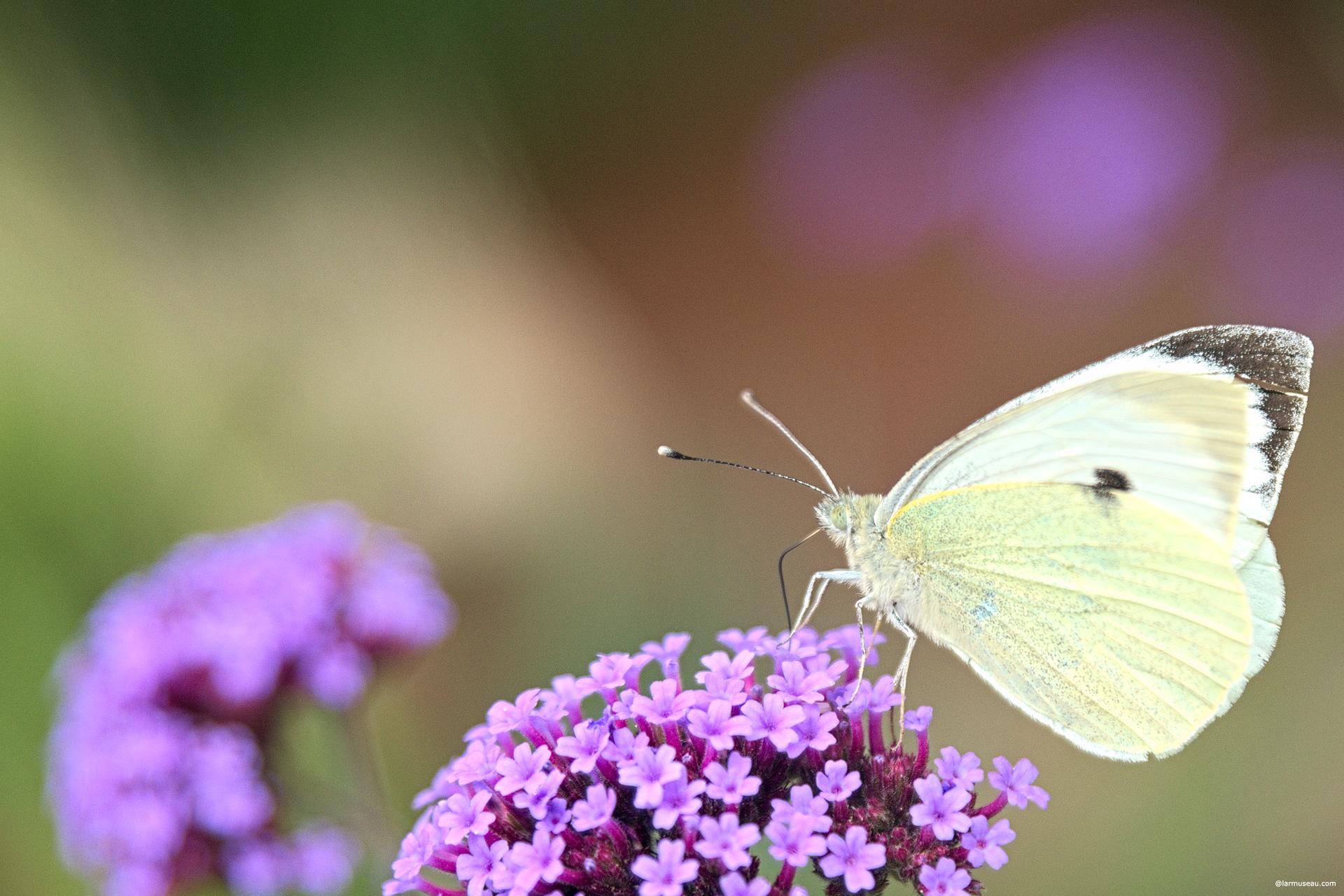
but·ter·fly  (bŭt′ər-flī′) n. 1. Any of numerous insects of the order Lepidoptera, having four broad, usually colorful wings, and generally distinguished from the moths by having a slender body and knobbed antennae and being active during the day. 2. A person interested principally in frivolous pleasure: a social butterfly.
but·ter·fly (bŭt′ər-flī′)
n.
1. Any of numerous insects of the order Lepidoptera, having four broad, usually colorful wings, and generally distinguished from the moths by having a slender body and knobbed antennae and being active during the day.
2. A person interested principally in frivolous pleasure: a social butterfly.

A Photo a day (336 of 365)

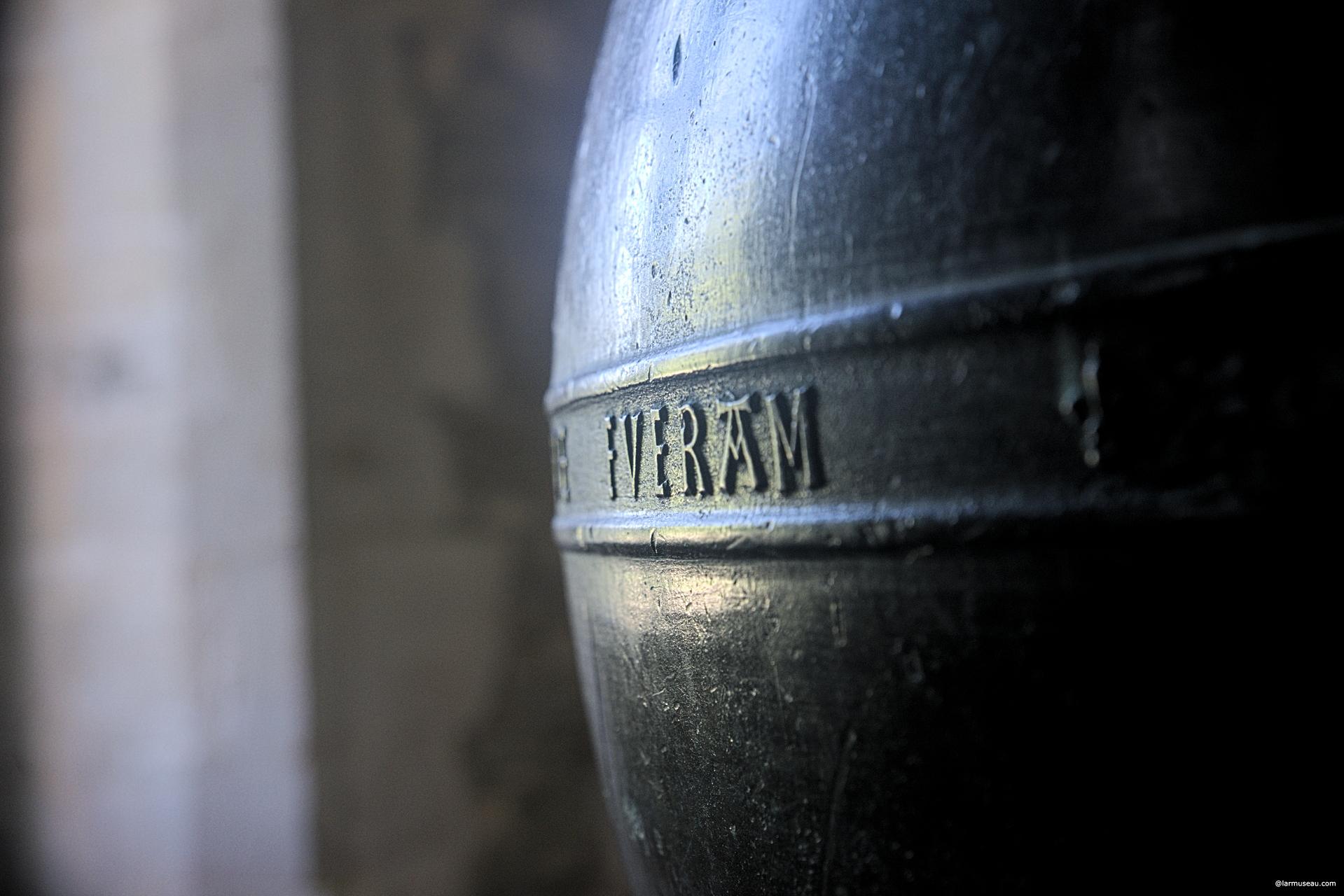
Amnesia (from Greek Ἀμνησία "a" meaning "without", "μνησία" memory) is a deficit in memory caused by brain damage, disease, or psychological trauma.[1] Amnesia can also be caused temporarily by the use of various sedatives and hypnotic drugs. Essentially, amnesia is loss of memory. The memory can be either wholly or partially lost due to the extent of damage that was caused.[2] There are two main types of amnesia: retrograde amnesia and anterograde amnesia. Retrograde amnesia is the inability to retrieve information that was acquired before a particular date, usually the date of an accident or operation.[3] In some cases the memory loss can extend back decades, while in others the person may lose only a few months of memory.
Amnesia (from Greek Ἀμνησία “a” meaning “without”, “μνησία” memory) is a deficit in memory caused by brain damage, disease, or psychological trauma.[1] Amnesia can also be caused temporarily by the use of various sedatives and hypnotic drugs. Essentially, amnesia is loss of memory. The memory can be either wholly or partially lost due to the extent of damage that was caused.[2] There are two main types of amnesia: retrograde amnesia and anterograde amnesia. Retrograde amnesia is the inability to retrieve information that was acquired before a particular date, usually the date of an accident or operation.[3] In some cases the memory loss can extend back decades, while in others the person may lose only a few months of memory.

A Photo a day (335 of 365)

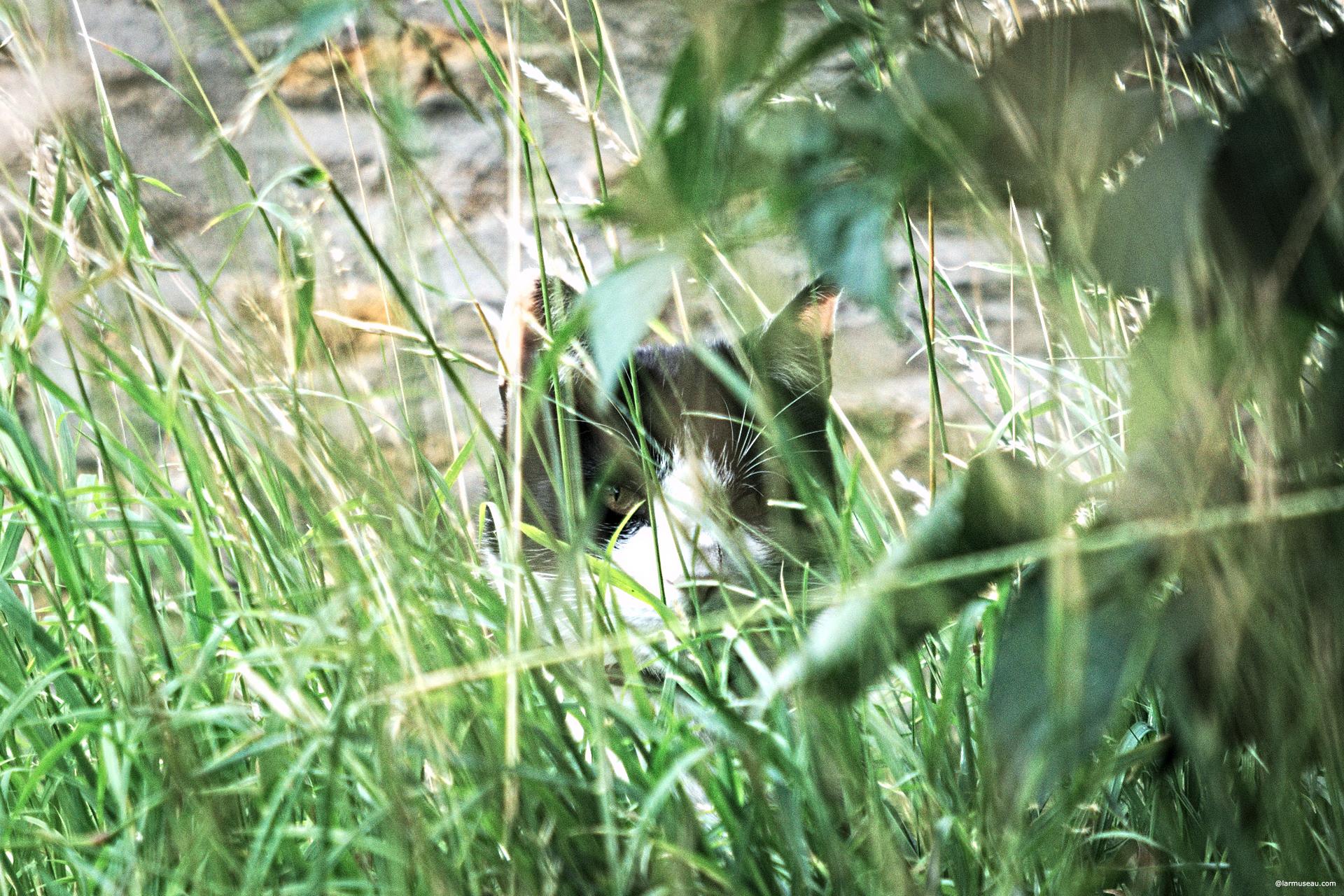
lurk  (lûrk) intr.v. lurked, lurk·ing, lurks 1. To wait out of view: thieves lurking in the shadows. 2. To move furtively; sneak: heard him lurking along the corridor. 3. To exist unobserved or unsuspected: danger lurking around every bend. 4. To read but not contribute to the discussion in a newsgroup, chatroom, or other online forum.
lurk (lûrk)
intr.v. lurked, lurk·ing, lurks
1. To wait out of view: thieves lurking in the shadows.
2. To move furtively; sneak: heard him lurking along the corridor.
3. To exist unobserved or unsuspected: danger lurking around every bend.
4. To read but not contribute to the discussion in a newsgroup, chatroom, or other online forum.

A Photo a day (334 of 365)

caul·dron also cal·dron  (kôl′drən) n. 1. A large vessel, such as a kettle or vat, used for boiling. 2. A state or situation of great distress or unrest felt to resemble a boiling kettle or vat: a cauldron of conflicting corporate politics.
caul·dron also cal·dron (kôl′drən)
n.
1. A large vessel, such as a kettle or vat, used for boiling.
2. A state or situation of great distress or unrest felt to resemble a boiling kettle or vat: a cauldron of conflicting corporate politics.